
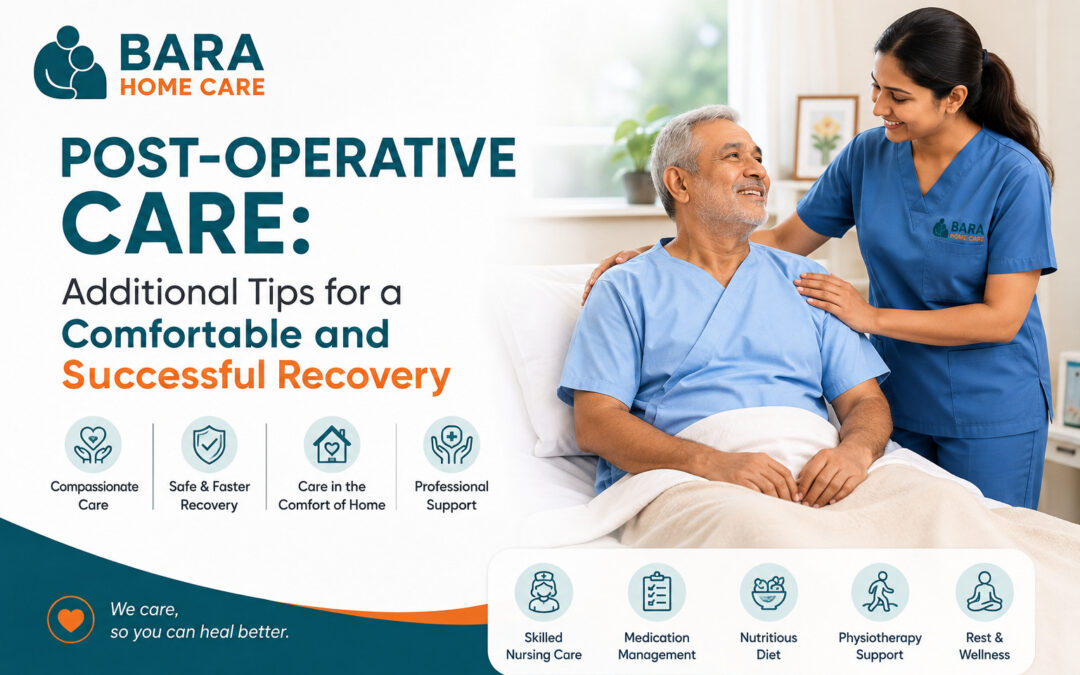
Post-operative recovery does not end when a patient leaves the hospital. The days and weeks following surgery are an important period in which the body gradually returns to normal. While medical treatment and follow-up appointments are essential, many smaller aspects of daily life can also influence how comfortably a person recovers.
Understanding what to expect and preparing for common challenges can help patients and caregivers manage the recovery period with greater confidence.
Preparing Your Home Before Returning
One of the most useful steps in post-operative care begins before the patient comes home. Depending on the surgery, normal activities such as climbing stairs, cooking, bathing, or getting out of bed may temporarily become difficult.
Before discharge, arrange the home so frequently used items are easy to reach. Keep medicines, water, a phone, and other essentials nearby. Remove loose rugs, clutter, or other obstacles that could increase the risk of falling.
If mobility is temporarily limited, having a family member or caregiver available can make everyday activities easier.
Understanding Discharge Instructions
Hospital discharge instructions contain important information about recovery. Patients and caregivers should understand:
- Which medicines need to be taken and when
- How the surgical area should be cared for
- When the next medical appointment is scheduled
- Which activities should be avoided
- When normal activities can be resumed
- Which symptoms require medical attention
- Whom to contact if questions arise
If anything is unclear, ask the healthcare team before leaving the hospital. Writing down instructions can be especially helpful because patients may feel tired or overwhelmed immediately after surgery.
Managing Constipation After Surgery
Constipation can occur after surgery for several reasons, including reduced physical activity, changes in diet, dehydration, and certain pain medicines.
Patients should discuss bowel changes with their healthcare provider, particularly if constipation persists or is accompanied by significant abdominal pain, vomiting, or other concerning symptoms.
Unless fluid restrictions have been prescribed, maintaining adequate hydration and gradually returning to appropriate movement may help support normal bowel function. A healthcare professional can also advise whether dietary changes or a suitable medicine is appropriate.
Preventing Falls and Injuries
After surgery, weakness, dizziness, drowsiness, or the effects of medication can temporarily affect balance and coordination.
Patients should take extra care when getting out of bed or standing up. Moving slowly can help reduce the risk of losing balance. Support may be needed when walking, particularly during the early recovery period.
Do not attempt activities that require significant strength, balance, or concentration until the healthcare provider has confirmed that they are safe.
Caring for the Body During Bathing
Bathing instructions vary according to the type of surgery and the condition of the incision. Patients should follow their surgeon’s specific instructions regarding showering, bathing, swimming, and keeping the surgical site dry.
Avoid applying creams, powders, oils, or other products directly to an incision unless they have been recommended by a healthcare professional.
If the wound dressing becomes wet, dirty, loose, or damaged, follow the instructions provided by the medical team rather than changing it in a way that has not been recommended.
Supporting a Return to Normal Sleep
Sleep may become difficult after surgery because of discomfort, changes in routine, anxiety, medication effects, or difficulty finding a comfortable position.
Creating a regular sleep routine can help. Keep the bedroom comfortable and reduce unnecessary noise and light at night.
If pain repeatedly prevents sleep, speak with the healthcare provider rather than taking extra medication without advice.
Avoiding Smoking and Other Harmful Habits
Smoking can interfere with the body’s ability to heal and may increase the risk of complications after certain operations. Patients who smoke should discuss cessation support with their healthcare provider.
Alcohol may also interact with some medicines and can affect judgment and coordination. Patients should follow their healthcare team’s advice about when alcohol can safely be resumed.
Avoid recreational drugs during recovery unless specifically discussed with a healthcare professional.
Returning to Work and Driving
Returning to work should be based on the type of surgery, the physical demands of the job, the patient’s recovery, and the advice of the healthcare provider.
Someone with a physically demanding occupation may require a longer recovery period than someone whose work is primarily sedentary.
Driving also requires careful consideration. Patients should not drive simply because they feel better. Pain, restricted movement, weakness, or medicines that cause drowsiness can make driving unsafe. Ask the healthcare provider when driving can be resumed.
Looking After Medication Safety
Medication management becomes especially important when patients are taking several medicines after surgery.
Keep medicines in their original containers and follow the prescribed schedule. Avoid doubling a dose if a dose is missed unless a healthcare professional or medication instructions specifically advise this.
Tell your healthcare provider about all medicines, vitamins, herbal products, and supplements you are taking. Some substances can interact with prescribed medicines.
Keeping a simple medication record can help patients and caregivers avoid confusion.
Maintaining Personal Hygiene
Good personal hygiene is important during recovery, but it should be balanced with the restrictions associated with the surgery.
Patients should follow instructions about washing, changing clothes, caring for drains or dressings, and protecting the surgical area.
Clean hands are particularly important before touching a wound, dressing, drain, or medication. Caregivers should also wash their hands before assisting with wound-related care.
Recognizing Changes in Appetite
A reduced appetite can occur temporarily after surgery. Nausea, medication effects, stress, or changes in digestion may contribute to reduced food intake.
Instead of forcing large meals, some patients may find smaller meals easier to tolerate, provided this fits their medical and dietary instructions.
If poor appetite continues or the patient is unable to maintain adequate food or fluid intake, medical advice should be sought. Patients with conditions requiring specialized diets should follow the recommendations of their healthcare team.
Keeping Track of Recovery
Maintaining a simple recovery diary can be useful. Patients can record medication times, symptoms, temperature if advised, appetite, bowel movements, activity levels, and questions for the next appointment.
This information can help patients notice changes and provide healthcare professionals with useful details during follow-up visits.
However, patients should not rely on a diary instead of seeking medical attention when they develop concerning symptoms.
The Role of Family and Caregivers
Family members and caregivers can play an important role in recovery. They may assist with meals, transportation, household tasks, medication reminders, and appointments.
Caregivers should also respect the patient’s need for rest and independence whenever safely possible.
It is important for caregivers to understand the medical team’s instructions rather than relying on assumptions. If they are responsible for wound care, medication administration, or other medical tasks, they should receive appropriate guidance from healthcare professionals.
Managing Expectations During Recovery
Recovery is not always a straight line. A patient may feel better one day and more tired the next. Temporary fluctuations in energy and comfort can occur.
Patients should avoid comparing their recovery with another person’s experience. Two people undergoing the same type of surgery may have very different recovery timelines.
The goal should be gradual progress rather than trying to return to the previous routine too quickly.
When to Contact the Healthcare Team
Patients should know how to contact their surgeon, hospital, or healthcare provider after discharge. Having the appropriate contact information readily available can reduce uncertainty if a problem develops.
Contact the healthcare team when symptoms are new, worsening, unexpected, or different from the instructions provided at discharge.
Emergency symptoms such as severe breathing difficulty, chest pain, significant uncontrolled bleeding, loss of consciousness, or other life-threatening symptoms require immediate emergency medical care.
Writing
Post-Operative Care: A Complete Guide to a Safe and Smooth Recovery
Undergoing surgery is an important step toward better health, but recovery after the procedure is equally important. Post-operative care refers to the medical attention, precautions, lifestyle adjustments, and follow-up care required after surgery to support healing and reduce the risk of complications.
Whether it is a minor procedure or major surgery, following your healthcare team’s instructions can make the recovery process safer and more comfortable.
What Is Post-Operative Care?
Post-operative care begins immediately after surgery and continues until the patient has recovered sufficiently. It may include monitoring vital signs, caring for the surgical wound, managing pain, taking prescribed medications, maintaining proper nutrition, and gradually returning to normal activities.
The exact care required depends on the type of surgery, the patient’s overall health, and the doctor’s recommendations.
Important Steps in Post-Operative Care
- Follow Your Doctor’s Instructions
Every surgery has specific recovery instructions. Follow the advice provided by your surgeon regarding medications, wound care, physical activity, diet, bathing, and follow-up appointments.
Avoid making major changes to your recovery routine without discussing them with your healthcare provider.
- Take Medications as Prescribed
Pain medicines, antibiotics, or other medications may be prescribed after surgery. Take them exactly as directed.
Do not stop prescribed medication early or take additional medicines, including over-the-counter pain relievers or supplements, without checking with your healthcare professional.
- Take Care of the Surgical Wound
Keeping the incision clean and following the recommended dressing instructions can help support healing.
Watch for changes such as:
Increasing redness or swelling
Worsening pain
Pus or unusual discharge
Persistent bleeding
Fever
The wound opening
Contact your healthcare provider if you notice signs that may indicate an infection or another complication.
- Maintain a Healthy Diet and Stay Hydrated
Good nutrition provides the body with the energy and nutrients needed for healing. Depending on the procedure, your doctor may recommend a particular diet.
In general, adequate fluids and a balanced diet containing protein, vegetables, fruits, whole grains, and other nutrient-rich foods can support recovery.
If surgery has affected your ability to eat or drink normally, follow the dietary instructions provided by your medical team.
- Get Adequate Rest
Rest is an essential part of recovery. Your body needs time and energy to repair tissues after surgery.
Maintain a comfortable sleeping environment and follow any positioning instructions given by your healthcare provider.
- Gradually Resume Physical Activity
Movement may be encouraged after some surgeries because prolonged inactivity can contribute to certain complications. However, the appropriate level of activity varies considerably depending on the procedure.
Begin activities gradually and follow your surgeon’s instructions about lifting, exercise, driving, work, and other daily activities.
- Attend Follow-Up Appointments
Follow-up visits allow your healthcare provider to assess healing, remove stitches or dressings when appropriate, review medications, and address any concerns.
Even if you feel well, attending scheduled appointments can be an important part of a safe recovery.
Warning Signs to Watch For
Some discomfort is expected after many procedures, but certain symptoms require prompt medical attention.
Seek medical advice if you experience symptoms such as persistent or worsening pain, significant bleeding, high or persistent fever, increasing wound redness or swelling, difficulty breathing, chest pain, severe weakness, confusion, or other symptoms that concern you.
For severe or potentially life-threatening symptoms, seek emergency medical care immediately.
Emotional Well-Being Matters Too
Recovery is not only physical. It is normal for some people to experience temporary frustration, anxiety, mood changes, or tiredness after surgery.
Getting support from family and friends, maintaining communication with your healthcare team, and allowing yourself adequate time to recover can be helpful.
If emotional difficulties are persistent or interfere with daily life, discuss them with a healthcare professional.
How Long Does Recovery Take?
There is no single recovery timeline. Healing can take days, weeks, or months depending on the type of surgery and individual circumstances.
Factors such as age, general health, nutrition, the complexity of the procedure, and adherence to post-operative instructions can influence recovery.
Rather than comparing your recovery with someone else’s, follow the timeline and restrictions provided by your healthcare team.
Conclusion
Proper post-operative care plays a vital role in supporting healing and reducing the risk of complications. Taking prescribed medications correctly, caring for the surgical site, eating well, staying hydrated, getting enough rest, gradually returning to activity, and attending follow-up appointments can all contribute to a smoother recovery.
Most importantly, listen to your body and stay in communication with your healthcare provider. If something does not feel right during recovery, it is better to seek professional advice rather than ignore the symptoms.
Disclaimer: This article is for general educational purposes and does not replace personalized medical advice. Post-operative instructions vary according to the procedure and the individual patient. Always follow the instructions provided by your surgeon or healthcare team.
Conclusion
Successful post-operative care involves much more than treating the surgical wound. A safe recovery also includes preparing the home, managing medicines responsibly, preventing falls, maintaining hygiene, supporting sleep and nutrition, avoiding harmful habits, and gradually returning to everyday activities.
Patients should remember that recovery is an individual process. Following personalized medical instructions and communicating openly with the healthcare team are among the most important steps toward a safe recovery.
With appropriate care, patience, support, and regular medical follow-up, patients can gradually regain strength and confidence and return to their normal routines.